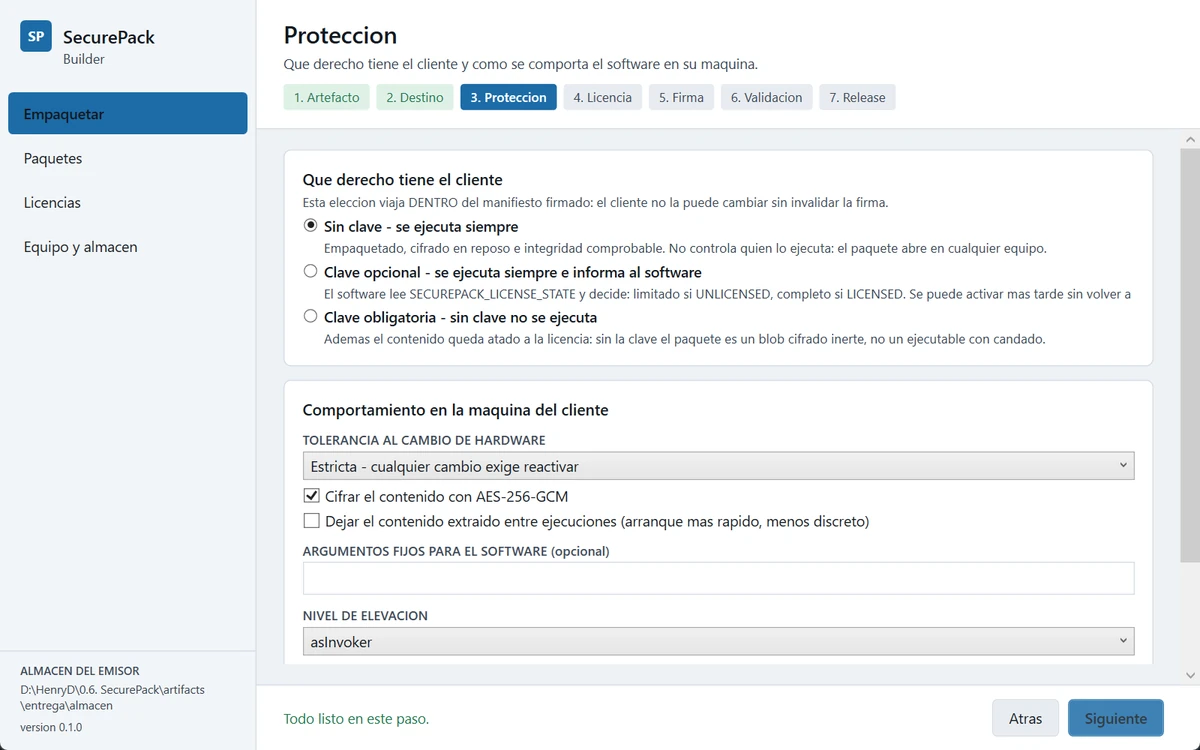
SecurePack
Wraps any Windows program in a signed container and decides, with no network, whether it is allowed to run.
System design, cryptography and full development
Software Developer | .NET, Angular & SQL Server
Full stack Software Developer: I design and build business systems end to end with .NET, Angular and SQL Server — architecture, database, backend, web applications and integrations. What I do best is turning a manual process, or a system nobody wants to touch, into something maintainable.

Projects
Wraps any Windows program in a signed container and decides, with no network, whether it is allowed to run.
System design, cryptography and full development
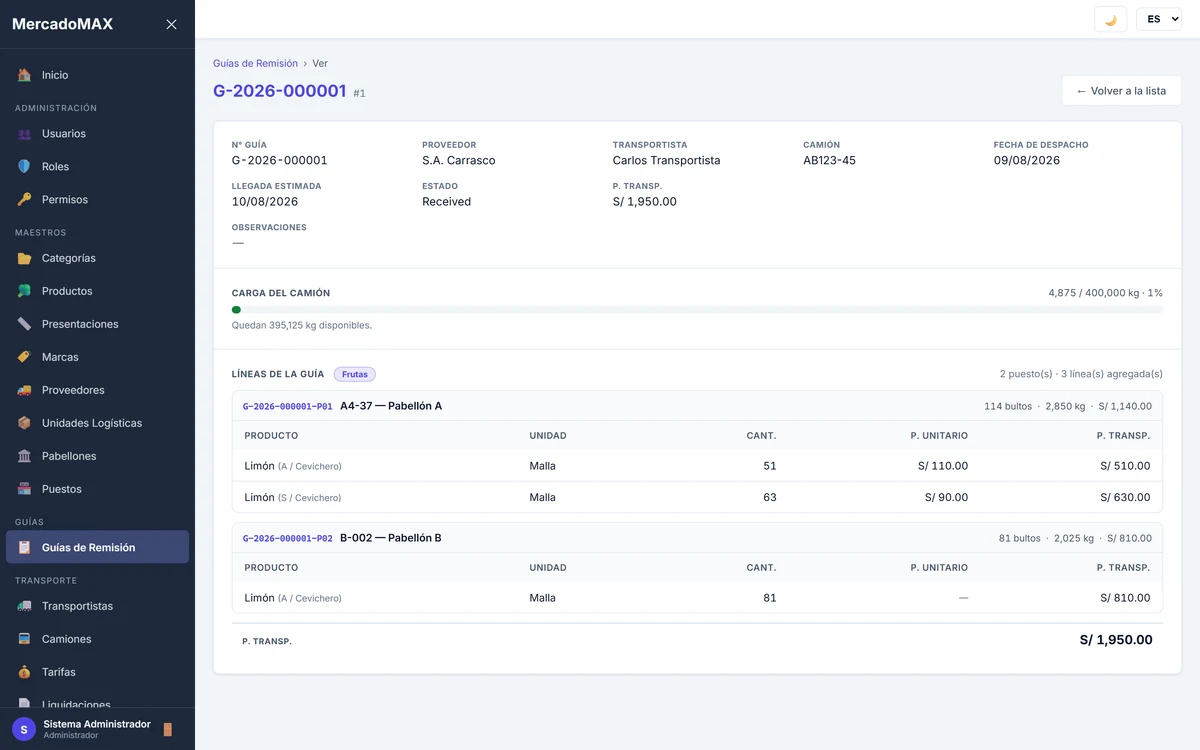
A microservice platform for wholesale markets that follows the goods from the supplier’s dispatch note to the sale at the stall.
System design and full development: database, backend and frontend
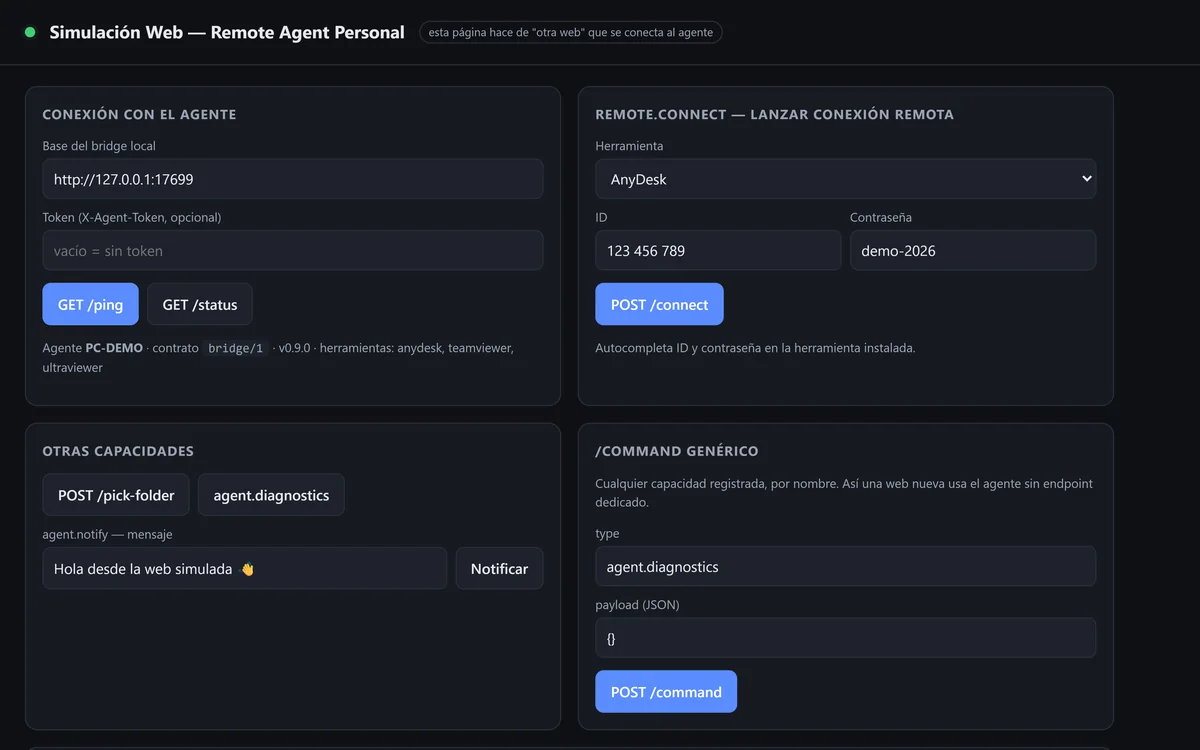
A Windows desktop agent that any authorized web page can ask to do things on the user’s machine.
Protocol design and full development
Judgement
I step into systems I did not write, carrying years of decisions made by other people. What follows is the order I work in, and every row sits behind something on this page.
Before writing code
I step into platforms that have been running for years and I do not break their conventions. What I write has to look like what was already there, not like what I would do on a blank page.
When a feature lands on me the first step is not opening the editor: it is deciding where the data flows, what each layer owns and in what order it gets built. Execution comes after.
Being a single developer ruled out a database per service in my ERP; having no network ruled out asking the server for identifiers in the ledger app. The constraint drives the design, not the other way round.
The schema and the queries are paid for over years. An interface is rebuilt in two weeks.
Every decision on this site carries the option I did not take and the price I pay for the one I did. A decision without an evaluated alternative is just a habit.
From code to production, and after
When I unify two ways of doing the same thing, I migrate what was left and delete the old one. Keeping both alive is convenient for a week and expensive for years.
Verifying the signature before interpreting the content, comparing secrets in constant time or putting hard limits on the reader are not finishing touches: they are the shape of the system.
The tests that matter are the rejection ones: the tampered file, a key from another machine, the clock turned back. The happy path tests itself.
I develop, deploy to TEST and check the real behaviour there; whatever shows up I diagnose and fix before it reaches production. Then I coordinate the release with whoever runs it and verify it landed correctly integrated.
I read it end to end against the conventions, the structure and the architecture the project already uses. What I hand in has to read as if the team had written it.
Experience
One line per role, describing responsibility and impact rather than a list of technologies.
January 2026 — Present
Umbralix
Stack
The core, which is what I use daily. Levels are stated plainly, with no percentage bars that mean nothing.
Available for projects and new opportunities
Tell me what you need and I will tell you whether I can help.